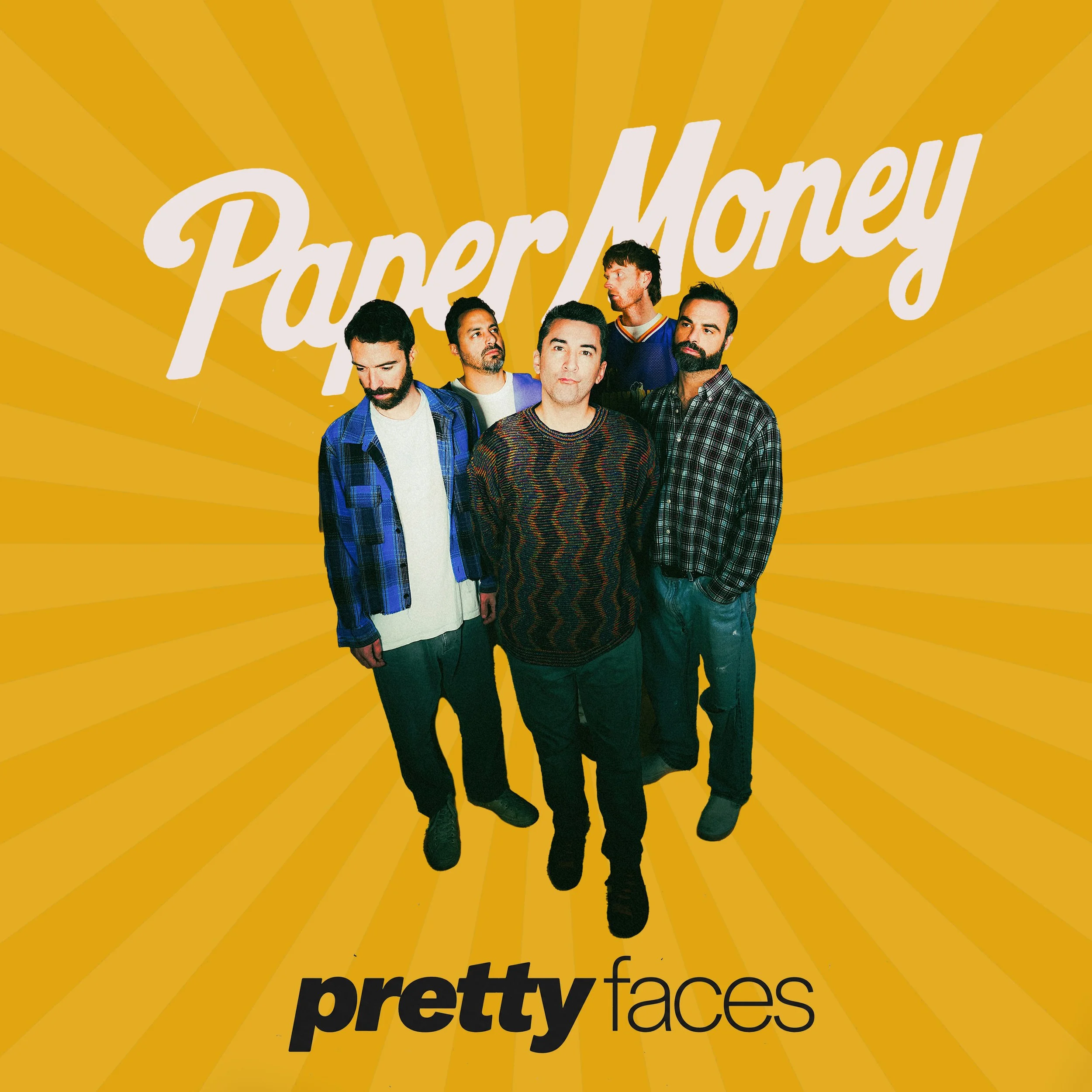
The five members of Paper Money have been playing together since high school in North Jersey, and guitarist Carlo Colasacco has spent that same stretch becoming one of the more quietly prolific songwriters working in rock and pop: a six-week Billboard number one with Shinedown, credits alongside Skillet, Jon Bellion, Julia Michaels, and Dashboard Confessional.
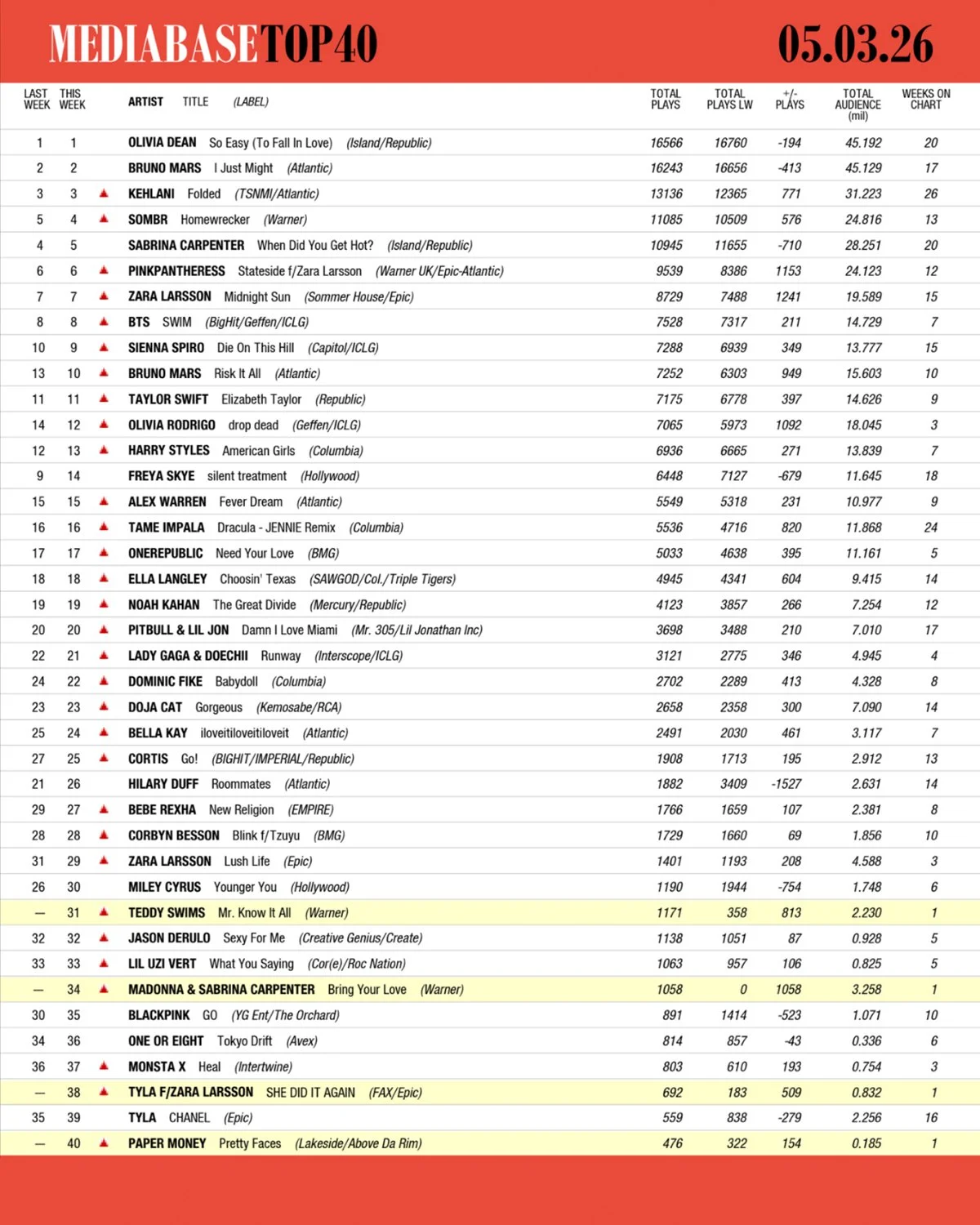
With their new single "Pretty Faces" debuting this week on the Pop Chart Carlo unpacks what it means to finally write without an artist to cater to, how a song like "Pretty Faces" came together when there were no label notes or brand questions to answer, and why a band that's been together this long still operates like they have nothing to lose.
"Pretty Faces" just debuted on the Pop Chart this week, marking Paper Money's first-ever chart entry as a band. After a career's worth of hits written for other artists, what does it mean to finally see your own name on that chart?
It’s pretty surreal to see your own band enter any type of chart, especially when it’s top 40 pop chart. It kind of feels like living out that scene in the movie “that thing you do”
It’s always a special moment to see a song you are a part of get recognized or loved in any kind of way, but definitely extra special when it’s your own band.

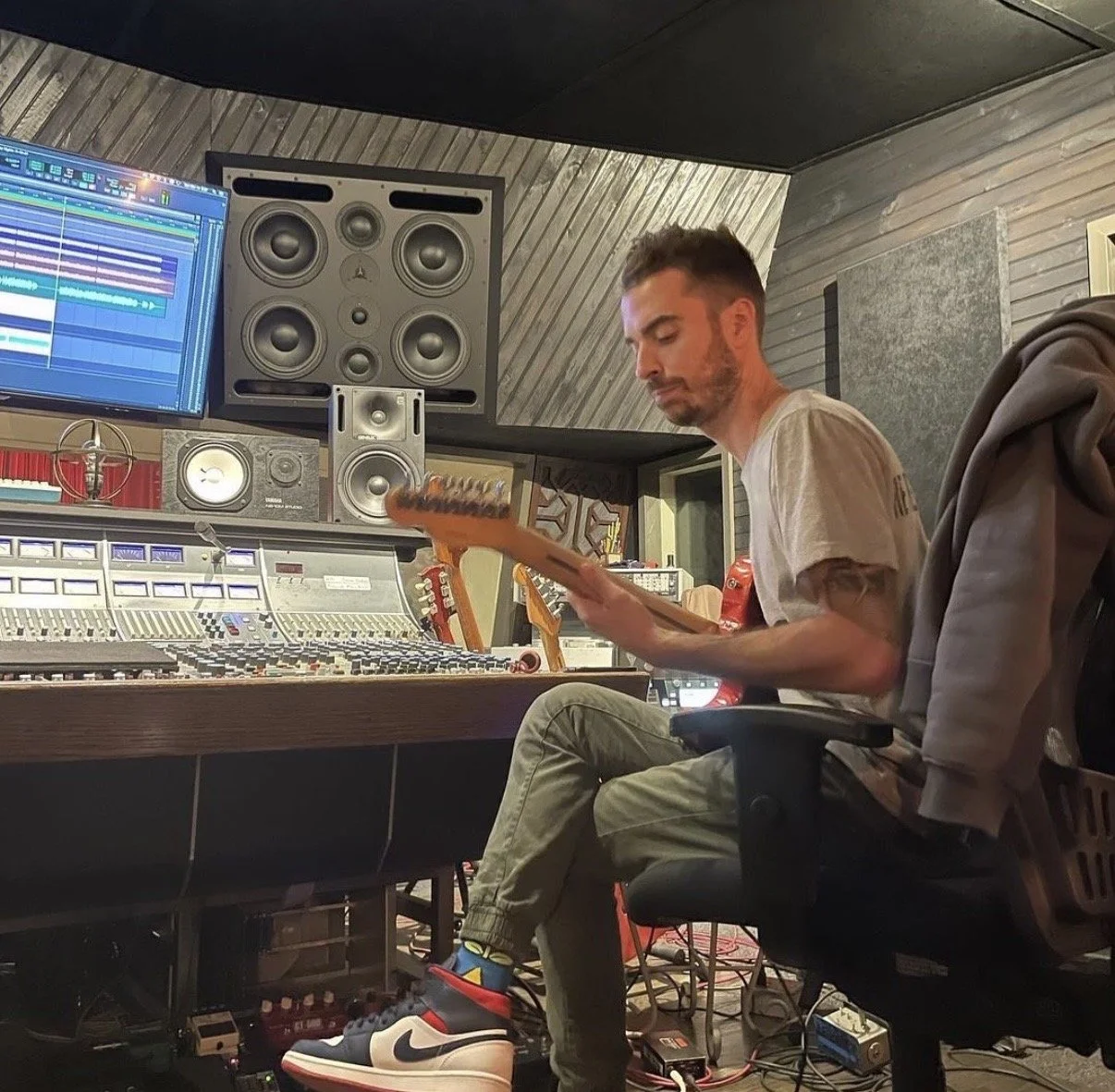
You’ve worked across pop, rock, country, and alternative as a producer and songwriter. How does being in Paper Money scratch a different creative itch for you?
No matter what genre I work in, part of my job is catering to the artist. Even if I am working in my favorite genre (which is pop alternative), there are times when I still think, ‘If this were my own song, or if this were for my band, I would do things this way,’ instead of catering to the needs of the artist I’m working with. With that being said, this is what makes Paper Money the ultimate creative freedom outlet for me. This is the genre I grew up loving and listening to, so it just scratches every creative itch possible.
After collaborating with so many major artists, what inspired you to put more focus on your own artist project with the band right now?
I am lucky to do what I love every day for a job. But there are times when, again, I think, ‘If I had complete free rein with this song, I would do this differently, or change that.’ That’s what Paper Money does for me. I’ve grinded for many years and made it to a point where I am financially stable enough to let a passion project take off. Before, I had to spend nearly every waking moment working on other people’s music.
How would you describe the sound of Paper Money to someone hearing you for the first time, and how is it different from the music you typically produce for others?
I would say it’s a reincarnation of all the stuff we, as a group, absorbed growing up in the ’90s. It’s that energy, feeling, and nostalgia, mixed with modern tricks and production elements I’ve picked up over the last two decades of doing this. It’s like a hybrid blend—as if it came out in the ’90s, but with the sonic palette and qualities of today.
When you’re writing for Paper Money, do you approach songs differently than when you’re writing for another artist? What changes in your mindset?
There’s no overthinking it. It’s extremely natural the way it comes out, which is how I normally operate, but this time I don’t have to go back and think: Will this fit their brand? Will the record label like this? Will their manager like this? Is it cohesive with the rest of their record? Will it make sense for who the artist is and what they’re going through in their life right now? It’s very stream-of consciousness when writing in Paper Money.
Which song from the new material feels the most personal to you right now?
“Pretty Faces.” When I first had the original idea, I never thought about pitching it anywhere. I was like, this feels exactly like what I would do if I had a band right now. I kept it aside for that reason. On top of that, lyrically it ended up talking about truth, childhood, and growing up, which is all very real for all of us in the band.
What’s something fans would be surprised to learn about how Paper Money songs come together?
Zero preparation. It starts as a freestyle spitball of energy, and if something makes us feel something, we run with it. There’s no contrived motive—no need to sound like something or meet some outside expectation.
What’s been the most fun part of shifting from behind-the-scenes to front and-center with this project?
Actually caring about the full circle of it. When I work with other artists, all of my energy goes toward the writing, the production, the mixing—the whole sonic package. Once the final mix is done and it leaves my studio, it gets erased from my brain and I’m onto the next thing. I get so invested in every little detail of a project that I need to clear space once it’s released into the world. With Paper Money songs, my thoughts continue—what would be a cool music video? What would be a good way to represent it? There’s so much more around it creatively that I don’t have to, or don’t get to, think about with other projects. Even if I executive-produce an artist, at the end of the day I can give my opinion, but it’s their baby. This is mine.
How does your production background influence the band’s recording process? Are you more experimental in the studio because of that experience?
Definitely more experimental. I think the biggest difference is in the recording process. I’ve picked up techniques over the years collaborating with other producers, and that has shaped who I am and how I work in the studio today.
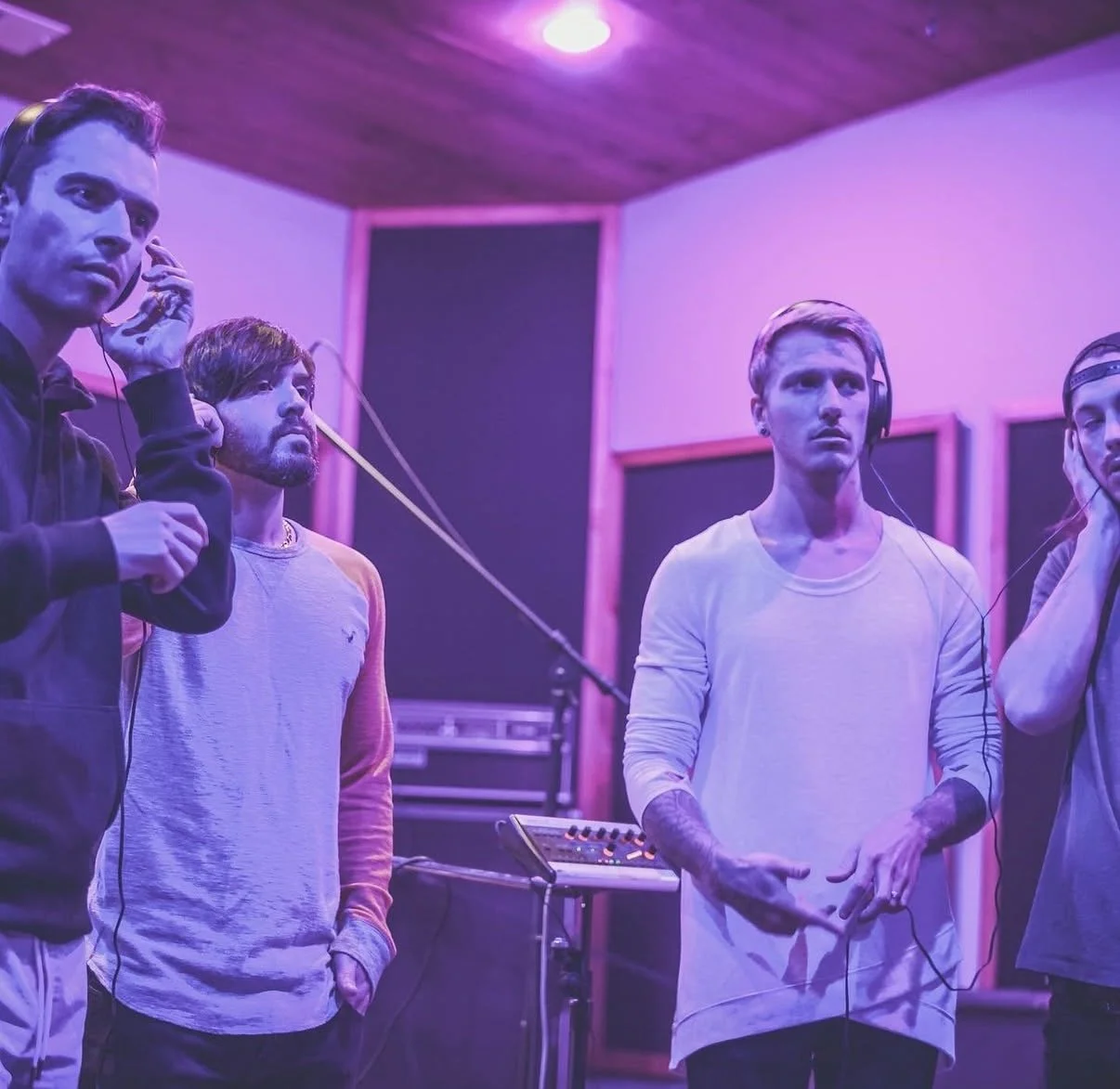
What can fans expect from the new music Paper Money is working on? Any themes, sonic directions, or risks you’re excited about?
We don’t want to box ourselves in. Whatever makes the hairs on the back of our necks stand up, we run with it. The overall theme might be nostalgia and not taking ourselves too seriously. We’re doing this for our own enjoyment and having fun with it, and I hope that shows in the sound of the band.
Looking ahead, what does success for Paper Money look like in this next chapter? Will we see more releases, touring, or collaborations?
If people are enjoying what we’re doing, they can definitely expect collaborations. I would say they should expect a good amount of musical content. If people care and want to hear it, we can give them a lot of songs. We could probably have a full-length album pretty quickly. Just by the nature of my work, I have many, many collaborators we could line up for features, which would be cool.
In terms of touring, our live show has been our strong suit for many years. We’d like to get in front of as many people as possible to play these songs.